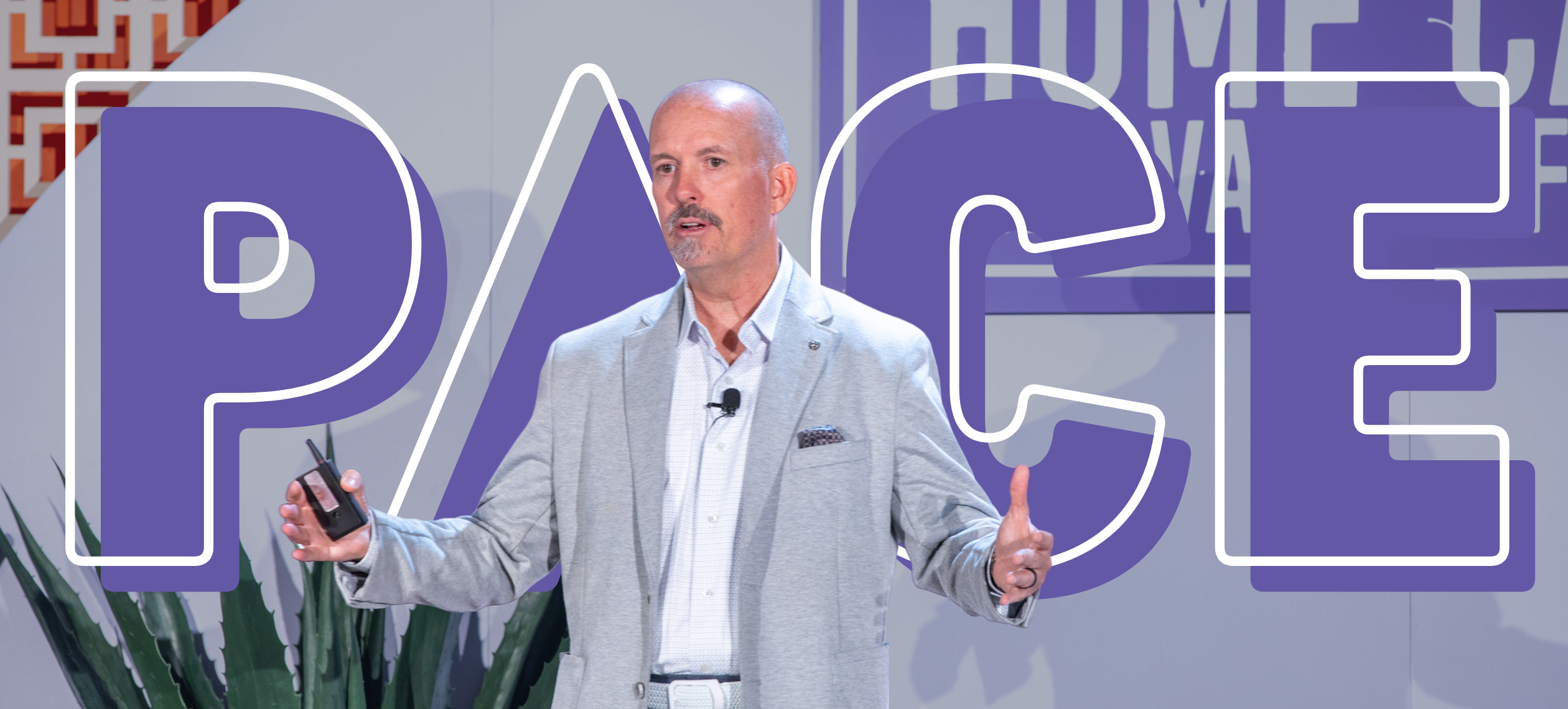
At the Home Care Innovation Forum in Palm Springs, Clayton Foutch, Founder and Chief Revenue Officer of Home Matters Caregiving, told the story of a care model he drove past for 15 years before ever walking in the door — and why it may represent one of home care's biggest untapped opportunities.
That model is PACE, the Program of All-Inclusive Care for the Elderly. It's hardly new: a capitated, wraparound benefit for dual-eligible seniors that bundles primary care, OT, PT, speech therapy, social services, meals, and socialization around a day center.
Foutch described it as "concierge care for the rest of us," the kind of coordinated attention the wealthy pay handsomely for, delivered to the economically and medically fragile. Yet it remains dramatically underutilized: roughly 80,000 participants nationwide, against some 2.5 million eligible seniors.
For Foutch, the mission is personal. Raised by a single mother, moving on and off government assistance, sometimes split from his siblings when resources ran short, he recognized the families PACE serves.
"These are my people," he told the audience.
The Portland Pilot
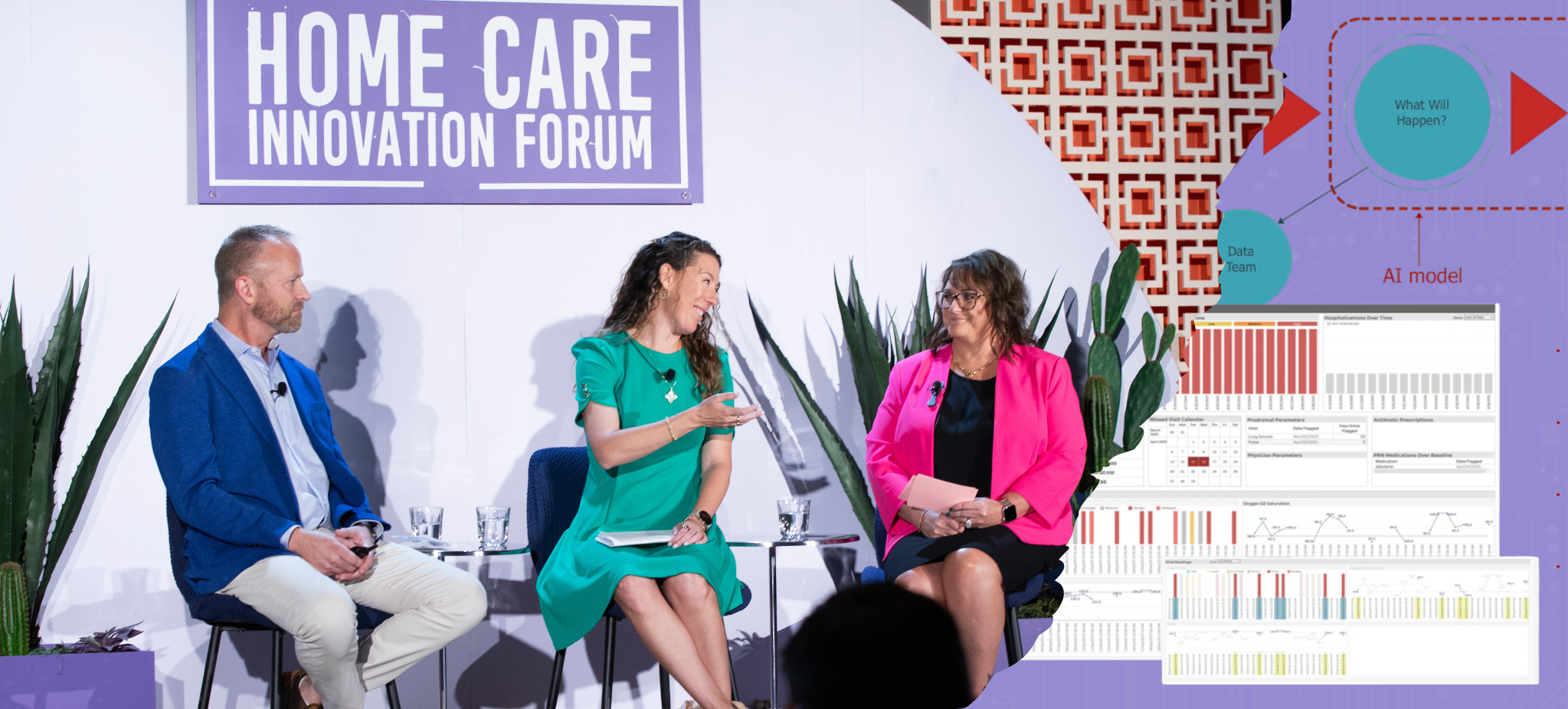
Foutch shared results from an 18-month pilot between his Portland, Oregon-based agency and ElderPlace, one of the nation's largest PACE programs. Working with 43 participants receiving about 30 hours of care per week, Home Matters layered three elements around one goal: flipping care from reactive to proactive:
- Ambient awareness technology (Sensi.ai, in their case) generating continuous insights from the home
- Caregivers in the home providing eyes-on observation
- A nurse-led triage model sorting alerts into three tiers — "good to know" trends, "need to know" changes like a potential UTI, and urgent cries for help — and feeding them to the PACE interdisciplinary team
The results, benchmarked against CMS and National PACE Association modeling:
- Hospitalizations down roughly 29%,
- ER visits down 31%
- About $100,000 in annual cost avoidance
Foutch, an engineer by training, was candid about the caveats — 367 member months is a small sample. "But there's something there," he said. "And even if we're off by some, these are real dollars."
The human stories land harder than the math. A client’s shifting bathroom frequency triggered an alert. Then a nurse ran a test, the PACE program prescribed treatment, and she recovered at home without ever feeling the full weight of a UTI. Across three-and-a-half years with the technology, Foutch reports roughly 100 UTI alerts — 98 confirmed and addressed early.
A Win-Win-Win — and an Open Playbook
For PACE organizations, the model extends census beyond the expensive day center while improving length of stay at home. Participants pay nothing extra, and home care agencies gain a durable role on the interdisciplinary team.
Foutch closed with an invitation rather than a pitch. Home Matters has 45 locations; PACE has 200. Rather than protect his head start, he offered his playbook — objections, training, triage protocols and all — to fellow operators willing to bring the model to PACE programs in their own markets.
An old model, made new again — and openly offered freely to an industry that needs it.
 REQUEST INVITE





-2.png)
Comments